Hi friends!
Let’s be honest, the word “budget” can sound intimidating. It might make you think of spreadsheets, restrictions, or something complicated to keep track of. But here’s the truth: budgeting is simply a smart plan for your money, and learning how to do it early can help you feel confident, independent, and totally in control of your future.
Let’s break it down, step by step.
What Is a Budget, Anyway?
A budget is simply a plan that breaks up how much money you have, how much you spend, and how much you want to save. That’s it. It helps you stay on track so you don’t accidentally spend everything on iced coffee and a new outfit (no shame, we’ve all been there).
Whether you’re working part-time, getting an allowance, or managing gift money, you can absolutely start budgeting right now, while keeping it easy and simple
Why Budgeting Is a Game-Changer
Here’s what budgeting helps you do:
- Reach your goals (like saving for a concert, trip, or future car)
- Avoid running out of money
- Build strong habits early
- Feel more confident and organized
How to Start Budgeting (No Stress)
Step 1: Know What You Have
Add up any money you receive each month: allowance, part-time job, tutoring, babysitting, birthday money, etc.
Step 2: Track What You Spend
Write it down or use a free app like Mint or Notion. Even just jotting it in your notes app works. Track everything from snacks and subscriptions to gifts and clothes. Don’t worry if it is not too exact, but try to get a fairly accurate estimate of your monthly expenses.
Step 3: Set Goals
What are you saving for? A new phone? A summer trip? Break your big goal into smaller amounts: it feels less overwhelming and more doable. For example, if you were going to start saving for a new phone costing around $1,000, you could break it up into ~$85 per month, and after 12 months, not only would you reach your goal but also have $20 extra left afterwards. Don’t be afraid to bring out a calculator and calculate what your monthly average should be.
Step 4: Create a Simple Budget Plan
Try the 50/30/20 rule as a starting point:
- 50% for essentials (lunches, school supplies, transportation)
- 30% for fun stuff (coffee, makeup, movies)
- 20% for savings (future you will thank you!)
If you don’t have many “essentials” yet, you can tweak the percentages to work for you.
Quick Tips to Stick to Your Budget
- Give every dollar a job. Decide ahead of time what your money is for, if it will be for essentials, fun stuff, or savings.
- Check in weekly. Review what you spent and how you’re doing. Whether that means cutting back more the following week or having room to get a treat.
- Use cash or prepaid cards to limit overspending.
- Celebrate small wins. Hit a savings goal? Treat yourself to something small, within your budget of course!
Budgeting gives Freedom, Not Restriction
A lot of people think budgeting is about cutting back, but it’s really about knowing your priorities and being intentional with how you spend your money. It actually gives you more freedom, because you’re choosing how to use your money: not letting it disappear on random things you don’t really care about. Especially in this modern day, when it’s so easy to place an order online, it’s more important than ever to be aware of your spending habits.
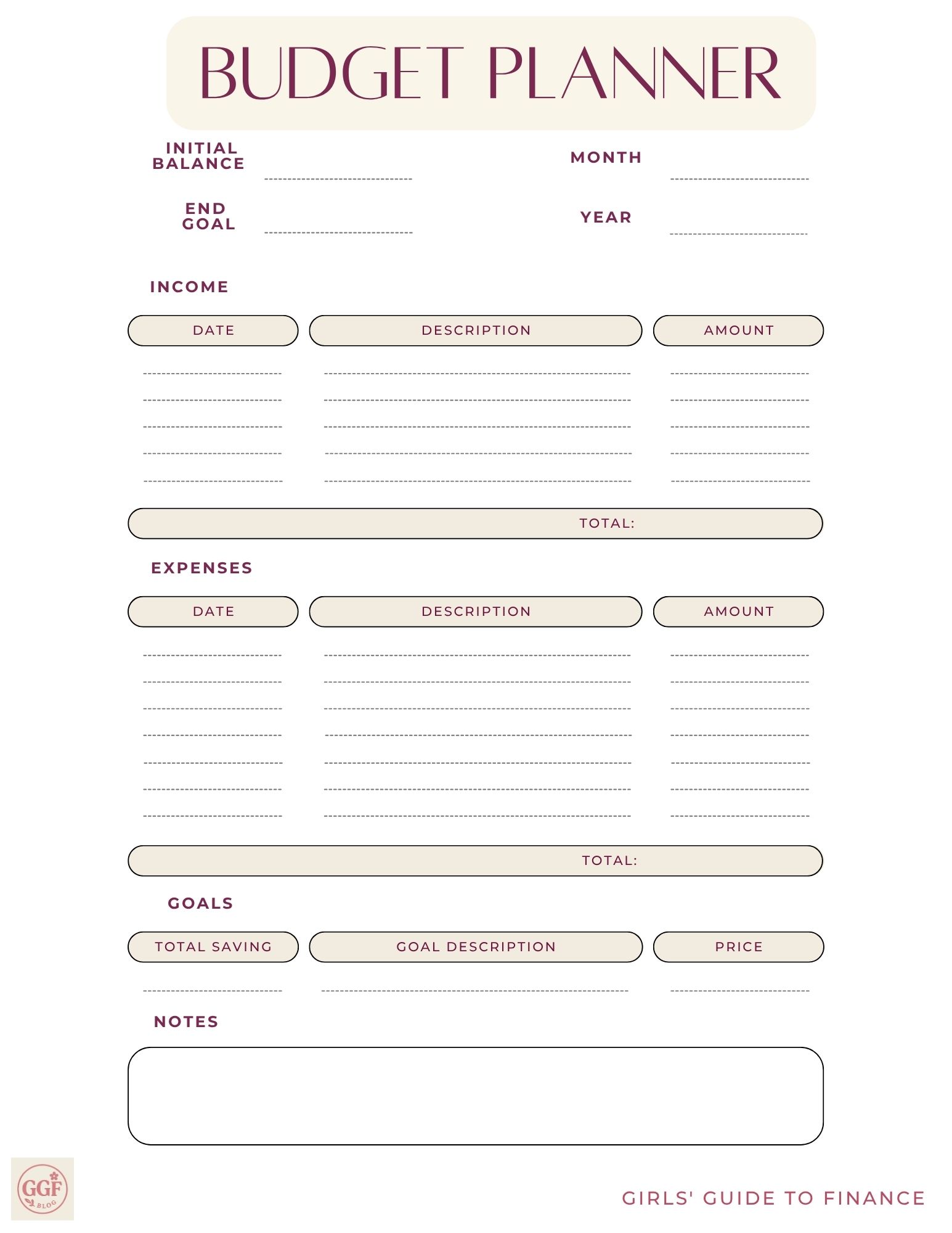
Have you ever made a budget before? If not, take a look at the one posted below for an easy place to start. Let me know in the comments if you enjoyed this week’s entry and what you would like to see next time. If you found this interesting, I suggest the article “Making a Budget” by the Federal Trade Commission, which lists some helpful tips and tricks.
Until next time,
Sophia